Spices and herbs: which tool helps you prepare them better
Hello, it’s Claude.
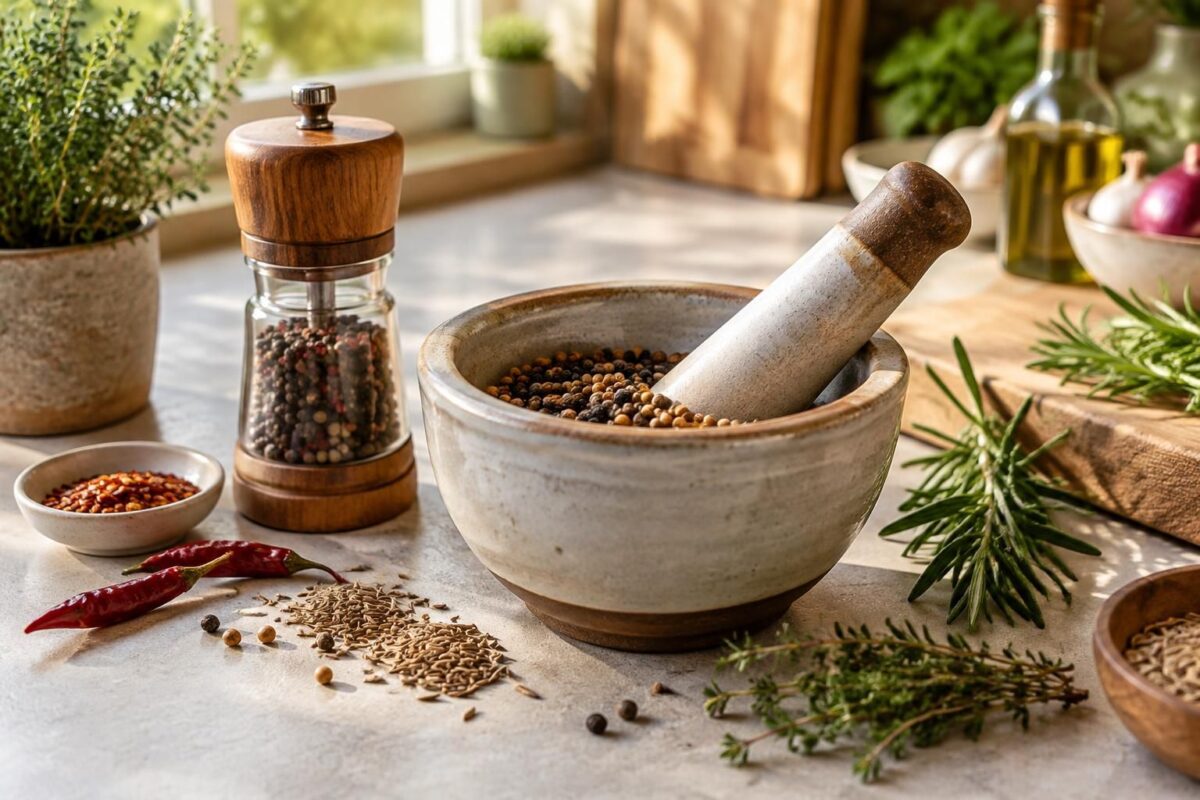
To prepare spices and herbs efficiently, choose a mortar and pestle to crush whole spices, then scissors or a herb chopper to snip fresh herbs.
The right tool mainly depends on the ingredient and the texture you’re after. A mortar releases aromas by crushing rather than slicing, while a spice grinder is handy for quickly grinding small quantities. A few simple choices are enough to cook with more flavor, without filling your drawers with gadgets.
Things to do right now
- For hard spices: use a heavy mortar, preferably granite, and crush in small circular motions.
- For a regular powder: use a dedicated spice grinder, pulsing in short bursts.
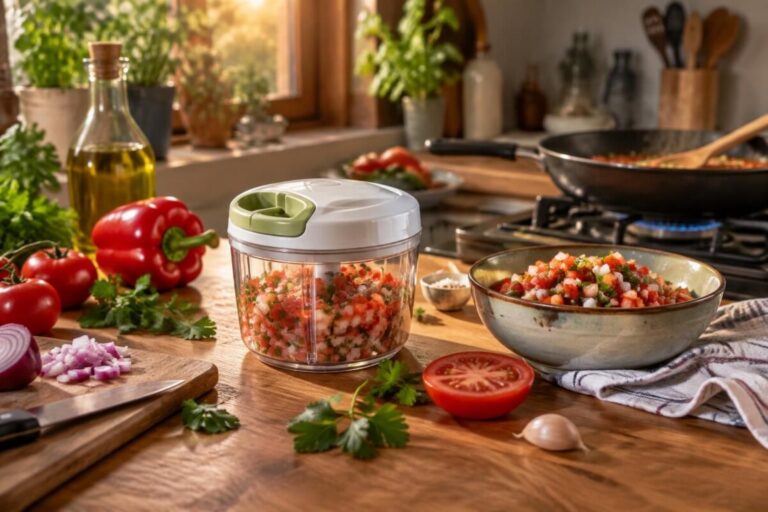
- For fresh herbs: snip them with herb scissors or a well-sharpened herb chopper.
- For nutmeg: choose a spice grater and grate it just before serving.
- For garlic: crush it with a garlic press or chop it on a cutting board with a kitchen knife.
To compare methods, also check out this guide on mortars, mills or whole spices and these tips on utensils that make a successful grind.
Mortar, grinder, or scissors: which tool to choose?
The mortar and pestle are suitable for whole spices, small quantities, and preparations where a slightly uneven texture is welcome. The weight of the granite helps stabilize the bowl and crush peppercorns or cinnamon pieces. For pesto, it also allows crushing the leaves and nuts without turning them into purée immediately.
The spice grinder is faster when you want to obtain a fine powder, for example for a curry. A pepper grinder is still preferable for table seasoning: it is designed for regular use and avoids grinding more than necessary. As for the herbs, scissors cut them directly over the dish, while a small chopper is better suited for a larger quantity.
| Tool | Ideal for | Notes |
|---|---|---|
| Granite mortar | Pepper, seeds, blends and herb pastes | Stable and effective on hard ingredients |
| Marble mortar | Small preparations and aromatic spices | Elegant, but handle with care |
| Spice grinder | Fine and quick grinding | Convenient for preparing several portions |
| Herb scissors or herb chopper | Parsley, chives, cilantro | Fast for snipping without crushing the leaves |
| Spice grater | Nutmeg and spices to grate | Allows dosing as you go |
Material and size make a difference
A rough interior grips seeds better than a smooth surface. Granite is a versatile choice for hard spices; ceramic is suitable for more delicate uses, but it can chip if it falls. Wood is pleasant for certain preparations, provided you wash and dry it carefully to limit lingering odors.
Size also matters: a small bowl is easy to handle for a pinch of seeds, but a larger model helps prevent splatters when you’re preparing a mix. Before buying, check that the pestle fits well in your hand and that the mortar doesn’t slide on the countertop. A comfortable and easy-to-clean tool will be the one you’ll actually use.
A simple method to prepare your spices
Imagine you’re making a green curry. Pepper and coriander seeds benefit from being ground just before cooking, while basil or fresh cilantro are snipped at the last moment to preserve their freshness.
- Sort and measure. Remove stems or damaged pieces, then measure only the amount needed for the recipe.
- Choose the right approach. Crush the spices with the mortar, grind them in the grinder for a fine powder, or snip the herbs with scissors.
- Clean and dry. Wash with warm, soapy water if needed, then thoroughly dry the utensil before storing. For wood, avoid prolonged soaking.
A common mistake is grinding all the spices in large quantities and then storing them for a long time: once ground, they lose part of their aroma more quickly. It’s better to prepare small portions and clean the bowl between two strong ingredients, such as garlic and cinnamon.
FAQ on tools for spices and herbs
Is a granite mortar the best choice to get started?
It’s a versatile and stable choice, particularly suited to seeds and hard spices. Check its weight and the roughness of its interior before buying.
Can a coffee grinder be used for spices?
Yes, if it is reserved for this use or cleaned carefully. Powerful aromas can otherwise transfer to the coffee or to the following spices.
How to cut herbs without crushing them?
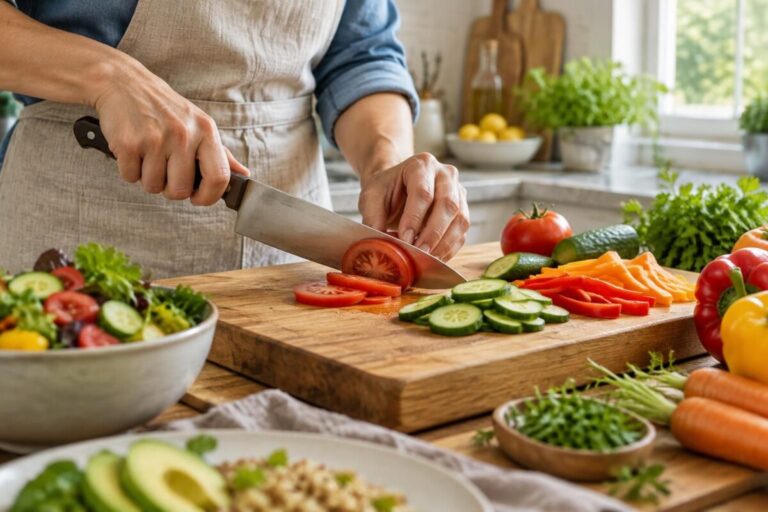
Use sharp herb scissors or a suitable kitchen knife. A clean motion limits crushing the leaves and browning.
Should you wash a mortar after each use?
Clean it after use, especially after garlic, peppers or very fragrant blends. Dry it completely before putting it away.
Thanks for reading! If the topic speaks to you, share your experience in the comments. — Claude